



Intellectual character : what it is, why it matters, and how to get it / Ron Ritchhart ; foreword by David Perkins.
Material type: TextSeries: Jossey-Bass education seriesPublication details: San Francisco : Jossey-Bass, c2002Edition: 1st edDescription: xxx, 303 p. : ill. ; 24 cmISBN: 078795683X (alk. paper); 9780787956837 (alk. paper); 9780787972783; 0787972789Subject(s): Effective teaching | Learning, Psychology of | Cognitive stylesDDC classification: 371.102 LOC classification: LB1025.3 | .R58 2002BF431 | .R48 2002Online resources: View Contributor biographical information
| Item type | Current library | Home library | Collection | Call number | Status | Notes | Date due | Barcode | Item holds |
|---|---|---|---|---|---|---|---|---|---|
 4. Sách không được mượn về |
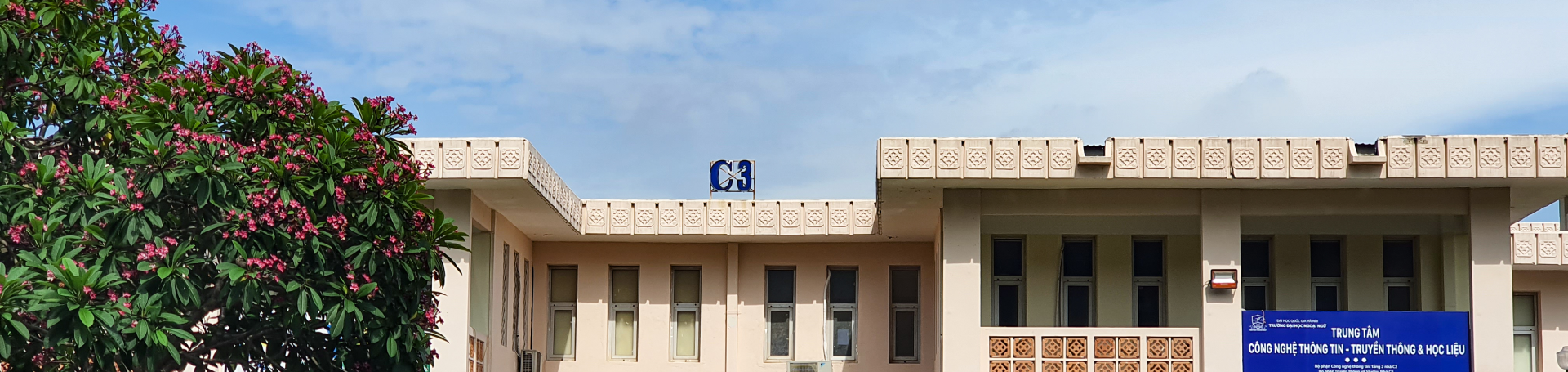
Trung tâm Học liệu - Nhà C3 công trình khoa Pháp
Trung tâm Học liệu - Nhà C3 công trình khoa Pháp |
Trung tâm Học liệu - Nhà C3 công trình khoa Pháp
Trung tâm Học liệu - Nhà C3 công trình khoa Pháp |
Tiếng Anh | 371.102 | Available | Gốc | E.08519 |
Includes bibliographical references (p. 283-292) and index.
The case for intellectual character -- Failing at smart: or what's an education for? -- Rethinking smart: the idea of intellectual character -- Acting smart: how thinking dispositions close the ability-action gap -- Fostering intellectual character in our schools -- First days, first steps: initiating a culture of thinking -- Thinking routines: creating the spaces and structures for thinking -- Language and thinking: prompting, priming, and patterning -- Thought-full environments: sustaining a culture of thinking -- Moving toward the ideal of intellectual character -- Beyond technique: where teaching for intellectual character begins -- Three lessons: what to keep in mind about teaching for intellectual character -- Some practical advice: how to get started teaching for intellectual character.
"In Intellectual Character, Ritchhart introduces the concept of intellectual character and explores how a "dispositional" view of intelligence - focusing on dispositions such as curiosity, skepticism, and open-mindedness - departs from traditional abilities-based views of what it means to be smart. Drawing on research of classroom practice, the author examines how teachers go about establishing a classroom culture that promotes the thinking dispositions they value. He offers detailed examples from individual classrooms to describe how teachers establish norms and create a foundation for thinking early in the school year. Exploring the role of routines for thinking and the uses of language as a tool for thinking, Ritchhart looks at how teachers can effectively prompt, prime, and pattern students' thinking." "Moving beyond merely reporting research findings, Ritchhart reveals ways that educators can make the development of students' intellectual character a reality in the settings in which they work. He provides a wealth of practical exercises, questions, strategies, and advice to help teachers, administrators, and parents explore what it means to teach for intellectual character."--Jacket.
"In Intellectual Character, Ritchhart introduces the concept of intellectual character and explores how a "dispositional" view of intelligence - focusing on dispositions such as curiosity, skepticism, and open-mindedness - departs from traditional abilities-based views of what it means to be smart. Drawing on research of classroom practice, the author examines how teachers go about establishing a classroom culture that promotes the thinking dispositions they value. He offers detailed examples from individual classrooms to describe how teachers establish norms and create a foundation for thinking early in the school year. Exploring the role of routines for thinking and the uses of language as a tool for thinking, Ritchhart looks at how teachers can effectively prompt, prime, and pattern students' thinking." "Moving beyond merely reporting research findings, Ritchhart reveals ways that educators can make the development of students' intellectual character a reality in the settings in which they work. He provides a wealth of practical exercises, questions, strategies, and advice to help teachers, administrators, and parents explore what it means to teach for intellectual character."--Jacket.







There are no comments on this title.